Dental Care
Dental Treatment at the GP Surgery – Practice Statement
Our practice does not provide dental treatment, as per NHS policy, which mandates that dental conditions – including toothache, abscesses, broken or missing teeth, gum problems, orthodontics, or cosmetic dentistry, these must be managed by qualified dental professionals.
When a patient presents with a dental issue, we will:
- Assess the situation to determine if the condition is purely dental, or requires medical attention (e.g., systemic infection, facial trauma).
- Direct or refer the patient to:
- Their usual NHS dentist
- NHS 111
- Emergency Departments, if signs of facial swelling or spreading infection are present
Under the Dentists Act, dental diagnosis and procedures are solely the domain of registered dental professionals
The Scope of the GP
NHS policy and prescribing guidelines clearly state that non-dental prescribers—including GPs—should not issue FP10 prescriptions for dental medicines such as high-strength mouthwashes, toothpaste, or antibiotics related to dental care.
We are not able to prescribe medicines like diazepam for help with dental appointments. If you’re feeling anxious, please speak to your dentist—they can advise on the best options for managing this.
Only dentists are trained and legally allowed to diagnose and treat dental conditions. If GPs prescribe for dental issues, it's acting beyond their professional scope.
Why GPs Don’t Prescribe for Dental Conditions
Medicines for dental conditions are more appropriately obtained via the patient’s dentist, or should be purchased over the counter, rather than prescribed on FP10 prescriptions.
Non-dental prescribers should not accept requests from dentists to prescribe medicines that the dentist could prescribe
Non-dental prescribers are advised that dental abscesses must be treated by dentists, and that antibiotic prescribing is not routinely recommended
Prescribers should not prescribe antibiotics while patients await definitive treatment, unless there is evidence of systemic sepsis, facial cellulitis or swelling or a background of systemic immune suppression
The involvement of General Practice in prescribing medicines for dental conditions is usually unnecessary, using up valuable appointments and General Practice time.
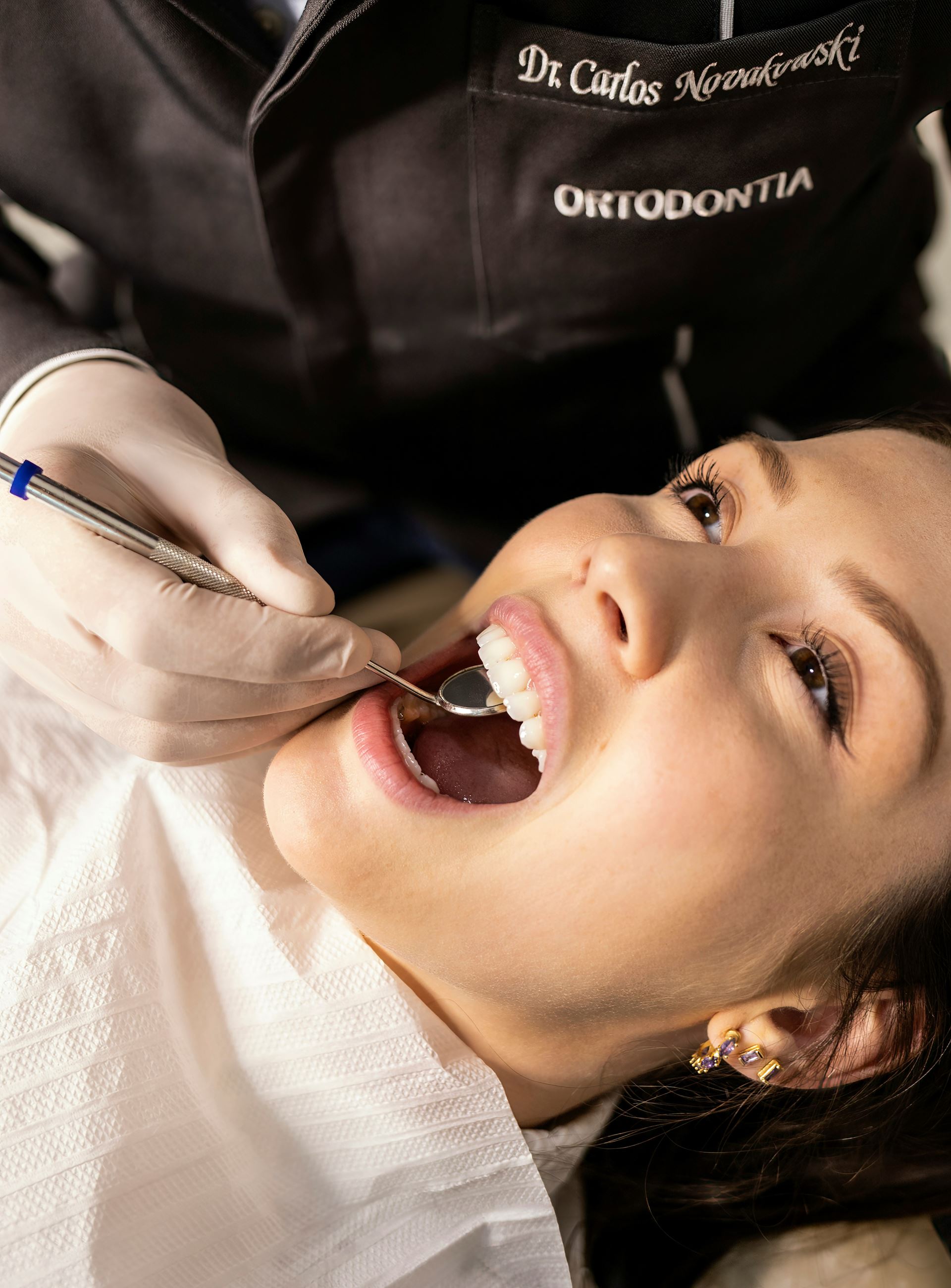
Dental prescribing
There are various routes by which a dentist can prescribe medicines for their patients or direct them to appropriate medicines.
Dentists are obliged to issue NHS prescriptions to NHS patients where required.
Dentists have a duty of care to issue private prescriptions to private patients.
Dentists, like other healthcare professionals, are also able to signpost patients to appropriate forms of self-care, i.e. direct them to a community pharmacy to purchase an over the counter analgesic.
Page created: 08 January 2026